


For millions of adults across the UK, the decision to stop smoking is the most important health choice they will make. If you are reading this, you are likely looking for a reliable, evidence-based route to transition away from traditional cigarettes. This guide serves as your comprehensive resource for making that switch safely and effectively in 2026.
The Science of Harm Reduction

The primary reason for the UK's proactive approach to vaping is harm reduction. Unlike smoking, which involves the combustion of tobacco—releasing over 7,000 chemicals, including tar and carbon monoxide—vaping heats an e-liquid. According to the NHS guidance on e-cigarettes, while not risk-free, vaping is substantially less harmful than smoking tobacco because it eliminates the production of tar and carbon monoxide.
Choosing Your First Device: Navigating the Options
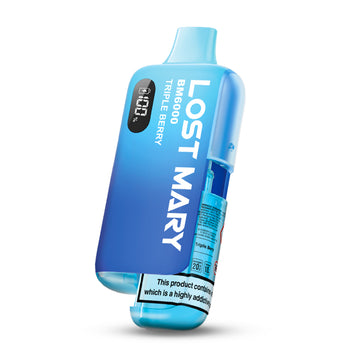
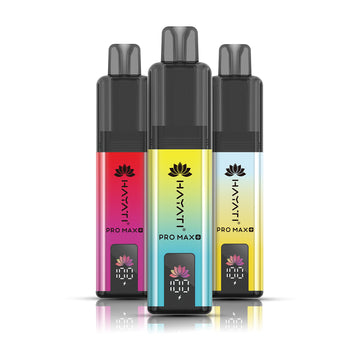
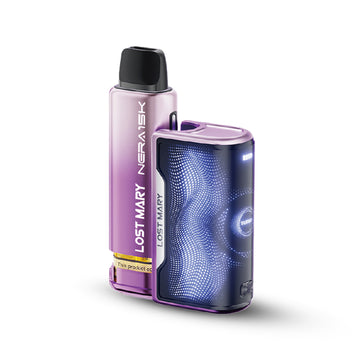
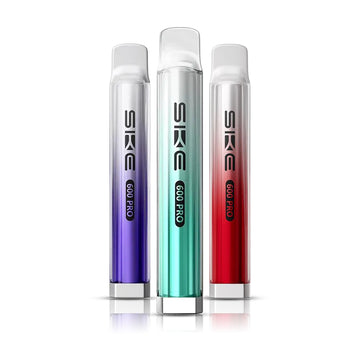
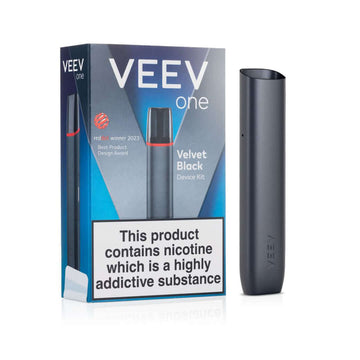
In 2026, simplicity is the hallmark of a successful transition. We advise beginners to steer clear of complex, high-powered sub-ohm mods initially. Instead, focus on Refillable Pod Systems.
- Pod Kits: Designed for convenience and consistency. They are compact, discreet, and use a simple pod-and-coil system.
- Mouth-to-Lung (MTL): As a smoker, you are used to the 'draw' of a cigarette. MTL devices mimic this restricted airflow, providing a familiar experience that prevents the 'harsh' feeling of larger devices.
Mastering Nicotine Strengths
One of the most common reasons for failing to switch is choosing the wrong nicotine level. If you do not get enough nicotine, you will likely continue craving cigarettes. The Office for Health Improvement and Disparities highlights the importance of providing smokers with effective nicotine delivery systems to aid cessation.
| Smoking Habit | Recommended Nicotine Level |
|---|---|
| Heavy Smoker (20+ per day) | 18mg - 20mg (Nicotine Salts) |
| Moderate Smoker (10-20 per day) | 10mg - 12mg |
| Light Smoker (Under 10 per day) | 3mg - 6mg |
Why Nicotine Salts Matter
Nicotine salts are a game-changer for new vapers. They provide a much smoother throat hit even at higher strengths and absorb into your system faster, mimicking the rapid nicotine delivery of a traditional cigarette without the harshness of freebase nicotine.
Essential Safety and Maintenance

As a responsible retailer, we must emphasize that device care is a critical part of your journey. Proper maintenance prevents leaks and ensures the device operates as intended.
- Coil Care: Your coil is the 'engine' of your vape. If the flavour starts tasting 'burnt,' your coil needs replacing (usually every 1-2 weeks).
- Battery Safety: Always use a dedicated USB-C cable. Avoid using mobile phone wall chargers or high-wattage fast-chargers, as these can overheat vape batteries. See our guide on Vape Battery Safety
- Storage: Keep all liquids stored in a cool, dark place, and strictly out of reach of children and pets.
Legal Compliance in the UK
When choosing your products, ensure they are MHRA (Medicines and Healthcare products Regulatory Agency) registered. The UK has some of the strictest vaping regulations in the world. Buying from an established, reputable UK retailer ensures that your products adhere to safety standards regarding tank capacity, nicotine content, and impurity testing.
Frequently Asked Questions
Is vaping safe for everyone?
Vaping is intended solely for adult smokers looking to transition away from tobacco. It is not recommended for non-smokers, pregnant women, or individuals under 18.
How often should I change my coil?
Generally, a coil lasts 1–2 weeks depending on usage. If you notice a burnt taste or a significant drop in flavour, it is time to replace it.
Can I use any e-liquid in any device?
Not necessarily. High-VG liquids are best for high-powered mods, while Nicotine Salts (PG/VG balanced) are designed for Pod Kits. Check your coil's resistance for compatibility.
References & Evidence
- NHS: Using e-cigarettes to stop smoking
- UK Government: OHID Evidence Updates
- Cochrane Library: Evidence on E-cigarettes
Date: April 2026. This guide is for educational purposes only. If you are pregnant or have underlying health conditions, consult your GP before making lifestyle changes.


