


Home › Vape Guides › Vape Battery Safety
📅 Last reviewed: May 2026 · UK TRPR compliantRechargeable vape devices contain lithium-ion batteries — the same technology in phones, laptops and electric cars. Treated correctly, they are reliable and safe for years. The small number of battery incidents that do occur in the UK are almost all caused by the same handful of avoidable habits: the wrong charger, overnight charging, or physical damage to the battery.
This guide covers those habits, plus storage, warning signs and disposal — so you get the best life out of your device and nothing to worry about.
Two Types of Vape Battery
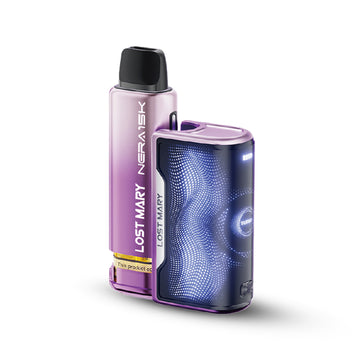
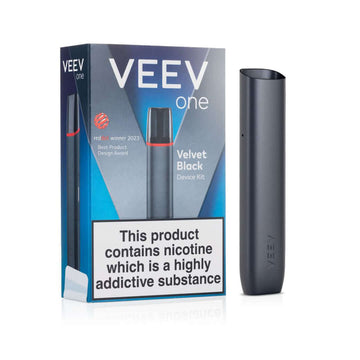
The safety rules differ depending on which type of battery your device uses. Most UK vapers in 2026 use pod kits with internal batteries — simple, sealed, and charged via USB-C.
The simpler option for most vapers. The device manages charging automatically and includes overcharge protection.
More versatile, but needs a bit more care when handling and transporting spare cells.
10 Safe Charging Habits
Most UK vape fires investigated by fire services come down to charging — specifically the wrong charger or leaving a device unattended overnight. The following habits address every common cause.
The charger in the box matches your device's charging circuit. A replacement should come from a reputable UK vape retailer — not a market stall or unverified online seller. USB-C cables from quality phone accessories are generally fine; cheap charging blocks are not.
Most pod kit batteries reach full charge in 45–90 minutes. A practical habit: plug in when you get home from work, unplug before bed. Modern devices have overcharge protection circuits, but those circuits are a backup — not a reason to test them nightly.
Essex Fire and Rescue Service includes this in their guidance for good reason. A battery that begins to overheat shows signs first — unusual warmth, a faint smell, slight discolouration. If you are in the room, you can respond. Charge while you are watching TV, cooking, or doing something else nearby.
A kitchen worktop or desk allows heat to dissipate normally. Soft furnishings trap it. Charging on a bed or sofa is the most straightforward way to turn a minor fault into a serious fire.
Once the indicator shows full, you are done. Leaving a charged device plugged in adds unnecessary stress to the battery over months of daily use and shortens its lifespan.
A fast-charging phone adapter can push far more power into a small vape battery than its charging circuit can handle. Use a 5V/1A or 5V/2A adapter. Check the output label if you are unsure.
If your device uses 18650 or 21700 batteries, charge them in a dedicated external charger (brands like XTAR start from around £10). It charges more evenly, puts less stress on the mod's USB port, and lets you monitor each cell individually.
A loose 18650 in a pocket with keys or coins can short-circuit without warning. Hard plastic battery cases cost under £2 from any vape shop and are a straightforward precaution.
The thin plastic sleeve around a 18650 cell is not cosmetic — it prevents the metal casing from contacting other surfaces. A torn or peeling wrap means the cell needs re-wrapping or replacing. Re-wrap kits cost under £1.
Lithium-ion batteries charge correctly between roughly 0°C and 45°C. Charging a cold device from a winter car, or in a hot conservatory in July, stresses the cell. Room temperature is all it needs.
Storing Your Vape and Batteries
| Situation | What to do | Reason |
|---|---|---|
| Hot car in summer | Keep the device with you | Car interiors can exceed 40°C in direct sun — above the safe operating range for lithium-ion. Prolonged heat swells and degrades cells |
| Pocket or bag when not in use | Lock the device first (5 rapid clicks) | An unlocked device that auto-fires in a bag generates heat in an enclosed space |
| External batteries not in the device | Store in a hard plastic cell case | Prevents contact with conductive materials that cause short circuits |
| Storing for several weeks | Charge to roughly 50% before leaving | Storing at 0% or 100% for extended periods degrades lithium-ion chemistry faster than partial charge storage |
| Near water | Keep clear of sinks, baths, pools | Water in a charging port or battery compartment can cause a short circuit |
Six Warning Signs Your Battery Needs Attention
Act on any of these. None of them mean something catastrophic is happening right now — they mean the device needs to come out of use and be assessed or replaced.
What Thermal Runaway Actually Is
Most vape battery fires involve a process called thermal runaway — a chain reaction inside a damaged or overloaded cell where heat generates more heat faster than the battery can release it. A short circuit or overcharge starts raising the cell's internal temperature. Above roughly 80°C, the electrolyte inside begins to break down, releasing flammable gas. Left unchecked, this cascades to cell rupture and fire.
In an undamaged, compliant device, the protection circuits cut power at Stage 1, before the reaction becomes self-sustaining. Physical damage, counterfeit components, and wrong chargers are the triggers that bypass these protections. For a full explanation with the stage-by-stage breakdown, see our detailed guide: Can Vapes Explode?
Counterfeit Devices and Battery Risk
UK Trading Standards seized over 1.2 million illegal vaping products in 2025. Battery failures in counterfeit devices are not random — they follow directly from manufacturing that skips every safety circuit. The protection systems required by TRPR (short-circuit cutoff, overcharge protection, thermal cutoff, 10-second auto-fire limit) are sometimes printed on counterfeit spec sheets but absent or non-functional in practice.
Greater Manchester Fire and Rescue Service advises vapers to buy devices that display the UKCA or CE safety mark. Every device at 888 Vapour carries the relevant UK certifications and is MHRA-registered. For a guide to spotting non-compliant products: How to Identify Legal and Illegal Vapes.
Disposing of Vapes and Batteries
Never put a vape in a household bin or kerbside recycling. Bin lorries crush their contents, which causes battery short-circuits and fires in waste vehicles and processing facilities.
Questions about your device?
Our team across Lincolnshire and Nottinghamshire can check your device, recommend a replacement charger, or advise on your battery. No appointment needed.
Shop Compliant Vape Kits → Find a Store →Related Guides
- Can Vapes Explode? Understanding Thermal Runaway
- How to Dispose of Vapes and Batteries Safely in the UK
- Vape Troubleshooting Guide
- How to Identify Legal and Illegal Vapes
Frequently Asked Questions
- Zurich Insurance / FOI data. Vape fire incidents 2025. Eastern Eye, June 2026.
- ASH UK Smokefree Adult Survey 2025. ash.org.uk
- Essex County Fire and Rescue Service. Vape charging safety guidance. essex-fire.gov.uk
- Lincolnshire Fire and Rescue. Gainsborough vape fire. lincolnshire.gov.uk
- UK Government OPSS. Vapes Safety Campaign Toolkit, March 2026. gov.uk
- Countrystyle Recycling. WEEE Regulations and vape retailer obligations. countrystylerecycling.co.uk
888 Vapour specialist team. Last reviewed: May 2026.


