


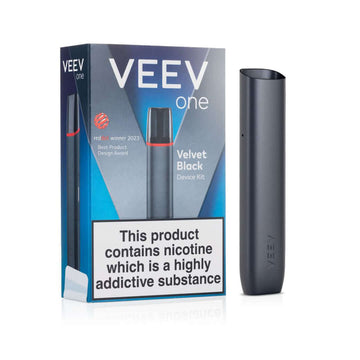
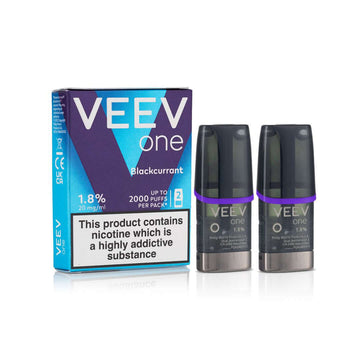
“Is vaping safe?” is one of the most searched health questions in the UK and one of the most frequently misunderstood. Media coverage swings between portraying vaping as harmless and treating it as a catastrophic health crisis. The truth, according to the UK’s leading independent health authorities, is more nuanced and more reassuring than either extreme.
This article gives you the complete, honest, evidence-based answer. We present what the NHS, OHID (formerly Public Health England), Action on Smoking & Health (ASH), the Royal College of Physicians, and Cancer Research UK actually say — not what vape retailers claim, and not what sensationalist headlines suggest. We also clearly state what we don’t yet know, because honesty about uncertainty is just as important as stating what the evidence does support.
📋 The Short Answer — From UK Health Authorities
Vaping is not safe. No form of nicotine use is entirely risk-free. Vaping carries real health risks and contains potentially harmful chemicals.
However, vaping is substantially less harmful than smoking cigarettes. The NHS states it “poses a small fraction of the risk of smoking.”[1] The OHID 2022 evidence review — the most comprehensive independent assessment of vaping health risks ever conducted in the UK — concluded that vaping is “substantially less harmful than smoking.”[2]
The key nuance: This comparison applies to adult smokers switching to vaping. For people who have never smoked, vaping is not recommended — the health risks of vaping, while far lower than smoking, are not trivially small compared to using no nicotine products at all. As England’s Chief Medical Officer Professor Sir Chris Whitty summarised in 2023: “if you smoke, vaping is much safer; if you don’t smoke, don’t vape.”[3]
- What the UK Health Evidence Says
- Vaping vs Smoking: The Comparison
- Real Risks of Vaping You Should Know
- Common Myths Debunked (Popcorn Lung, EVALI & More)
- Who Should and Shouldn’t Vape
- Vaping as a Quit-Smoking Tool
- The Risk of Illegal and Non-Compliant Vapes
- NHS and Stop Smoking Services
- Frequently Asked Questions
What the UK Health Evidence Says
The UK has a more developed body of independent evidence on vaping safety than almost any other country. Since 2015, Public Health England (now OHID) has commissioned annual independent reviews from leading academics. Here is what the most authoritative recent reviews conclude:
Vaping vs Smoking: The Evidence-Based Comparison
The fundamental reason vaping is considered less harmful than smoking is the absence of combustion. Cigarettes burn tobacco at temperatures of 600–800°C, producing smoke containing over 7,000 chemicals — hundreds of which are toxic, and around 70 of which are known to cause cancer.[6] These include tar, carbon monoxide, formaldehyde, benzene, and hydrogen cyanide.
Vapes heat e-liquid to a much lower temperature without burning anything. The aerosol produced does contain some potentially harmful chemicals, but at significantly lower levels than cigarette smoke.
| Factor | Cigarettes | UK-regulated vaping |
|---|---|---|
| Combustion / burning | 🔥 Yes — produces smoke | ✅ No — heats liquid only |
| Tar | 🔴 Present — major cause of lung cancer | ✅ Not produced |
| Carbon monoxide | 🔴 Present — causes cardiovascular harm | ✅ Not produced |
| Number of toxic chemicals | 🔴 7,000+ identified, 70+ carcinogens[6] | 🟡 Some chemicals present, at much lower levels |
| Nicotine | 🔴 Present (addictive) | 🔴 Present in most products (addictive) |
| Long-term harm to health | 🔴 Extensive evidence — cancer, heart disease, COPD, stroke | ❓ Short/medium term: much lower. Long-term: unknown |
| Secondhand exposure | 🔴 Secondhand smoke is harmful | ✅ No evidence of harm to bystanders from secondhand vapour (NHS)[1] |
| UK regulatory oversight | ✅ Regulated | ✅ MHRA-registered, TRPR-compliant products only |
Real Risks of Vaping You Should Know
Being honest about risk is the foundation of genuine EEAT content. Vaping does carry real risks, and adult vapers deserve to understand them clearly.
Nicotine addiction
Most vaping products contain nicotine, which is a highly addictive substance. Nicotine use leads rapidly to physical dependency in most people. While nicotine itself does not contain the cancer-causing chemicals found in tobacco smoke, it does cause raised heart rate, increased blood pressure, and has effects on developing brains in young people.[7] It is important that anyone using nicotine products understands they are at risk of dependency.
Respiratory effects
Inhaling any vapour can irritate the airways. Public Health Wales noted in its February 2026 Position Statement that in the short term, vaping may cause headache, cough, throat irritation, dizziness and nausea in some users.[8] People with asthma or existing respiratory conditions may find vaping worsens their symptoms. If you experience persistent respiratory symptoms from vaping, consult your GP.
Cardiovascular effects
Nicotine is a stimulant that temporarily raises heart rate and blood pressure. Some research suggests long-term nicotine exposure may contribute to cardiovascular risk, though this evidence is less clear-cut than the established cardiovascular harms of cigarette smoking. Notably, the VESUVIUS clinical trial found that smokers who switched completely to vaping showed significant improvements in vascular health within just one month.[9]
Long-term effects remain uncertain
Vaping at a population level only became widespread around 2015–2018. There are not yet any long-term studies (20+ years) of the health effects of vaping. The NHS is clear that “the long-term risks of vaping are not yet clear.”[1] This is an honest statement of current scientific knowledge — not a cause for alarm, but a reason to take the precautionary position of limiting vaping to adult smokers using it as a cessation tool rather than a recreational habit.
Risk from non-compliant and illegal products
This is a significant and growing concern in the UK. Illegal vapes — those that are not MHRA-registered or do not comply with TRPR regulations — have been found to contain unsafe levels of heavy metals including lead and nickel, banned substances such as vitamin E acetate, and nicotine levels far in excess of the 20mg/ml legal limit. The House of Commons Library noted in its 2026 briefing that illegal vapes place users “at risk of ingesting unsafe levels of metals and other harmful substances.”[3] All products at 888 Vapour are MHRA-registered and fully TPD-compliant.
Common Myths About Vaping Safety — Debunked
Several widely-reported claims about vaping health risks are misleading, outdated, or do not apply to legally sold UK products. Here is what the evidence actually says:
Who Should — and Shouldn’t — Vape
The UK health authorities are consistent and clear on this. The harm-reduction case for vaping is specifically about adult smokers. It does not extend to everyone.
- Adult smokers who want to quit cigarettes
- Adult smokers who have tried other methods and not succeeded
- Adult vapers switching from a disposable to a legal refillable device
- Adult smokers reducing cigarettes with a view to stopping completely
- People who have never smoked — vaping introduces nicotine addiction without the comparative benefit of replacing cigarettes
- Anyone under 18 — illegal to sell vaping products to under-18s in the UK
- Pregnant women — nicotine may affect fetal development; NHS advises NRT as the first choice for pregnant smokers[10]
- People with certain heart conditions — nicotine raises heart rate and blood pressure; consult your GP
What about vaping if you’re pregnant?
This requires particular care. Smoking in pregnancy is extremely harmful — causing significantly increased risks of premature birth, low birthweight, stillbirth and miscarriage. For pregnant smokers who are struggling to quit, switching to vaping is likely to be less harmful than continuing to smoke, but it is not the recommended first choice. The NHS and NICE recommend that pregnant smokers first try to stop smoking with support from NHS Stop Smoking Services using nicotine replacement therapy (NRT — patches, gum, inhalers) before considering vaping. A systematic review published in BMC Pregnancy and Childbirth (2024) concluded that evidence on vaping in pregnancy is still limited and that more research is needed before strong recommendations can be made.[10]
Vaping as a Quit-Smoking Tool: The Evidence
The evidence that vaping helps adult smokers quit is now substantial and comes from high-quality independent research:
| Study / Source | Finding | Year |
|---|---|---|
| Cochrane systematic review (highest quality evidence type) | High certainty evidence that nicotine e-cigarettes are more effective at helping people quit smoking than traditional NRT (patches, gum). People who used vapes were almost twice as likely to successfully quit.[5] | 2025 |
| ASH UK Survey | An estimated 2.4 million adults in Great Britain quit smoking using a vape in the last 5 years. Vaping is now the most widely used stop-smoking aid in Great Britain.[11] | 2025 |
| OHID Stop Smoking Services Data | Quit attempts that used a vape were associated with the highest success rates of any cessation method in Stop Smoking Services (64.9% vs 58.6% for non-vape quit attempts).[2] | 2022 |
| NHS / NICE | Vaping is recommended by the NHS and NICE as a legitimate smoking cessation tool for adult smokers. It is not licensed as a medicine — it is a regulated consumer product with evidenced harm-reduction benefit. | Ongoing |
The Health Risk Nobody Talks About Enough: Illegal Vapes
Much of the health concern about vaping in the UK relates not to legally sold, MHRA-registered products — but to the growing illegal vape market. This distinction matters enormously for health risk.
Following the June 2025 disposable ban, Trading Standards seized over 1.2 million illegal vaping products in 2025 alone. Tests on illegal vapes have found:
- Nicotine levels at 50mg/ml — 2.5× the legal UK limit of 20mg/ml
- Lead at 450% above safe levels
- Banned substances including vitamin E acetate (linked to EVALI lung injuries)
- Heavy metals including nickel, chromium and lead from non-compliant coils
The health risks of illegal vapes are in a completely different category to the risks of legally regulated UK products. The evidence base discussed in this article — the NHS position, the OHID reviews, the RCP findings — all relates to MHRA-registered, TPD-compliant products. Always purchase from legitimate UK retailers. Look for the MHRA notification number on packaging. All products at 888 Vapour are MHRA-registered and fully compliant.
Related Guides
- How to Switch from Smoking to Vaping — A Step-by-Step Guide
- Best Refillable Pod Kits UK 2026
- Nicotine Salts Guide: Which Strength Is Right for You?
- How to Identify Legal and Illegal Vapes in the UK
Frequently Asked Questions
- NHS Better Health. Vaping to quit smoking. Available at: nhs.uk/better-health
- McNeill A. et al. Nicotine vaping in England: 2022 evidence update. Office for Health Improvement and Disparities (OHID). 2022. Available at: gov.uk
- House of Commons Library. Vaping and Health (CBP-9933). April 2026. Available at: commonslibrary.parliament.uk
- Royal College of Physicians. E-cigarettes and harm reduction: an evidence review. 2024. Referenced in: ASH UK
- Hartmann-Boyce J. et al. Electronic cigarettes for smoking cessation (Cochrane Review). 2025. Referenced at: ASH UK
- NHS. Using e-cigarettes to stop smoking. Available at: nhs.uk
- NHS Better Health. Vaping myths and the facts. Available at: nhs.uk/better-health
- Public Health Wales. Vapes (E-cigarettes) Position Statement. February 2026. Available at: phw.nhs.wales
- VESUVIUS Trial. Referenced in UKMeds: ukmeds.co.uk
- Ussher M. et al. Vaping during pregnancy: a systematic review of health outcomes. BMC Pregnancy and Childbirth. 2024. Available at: ncbi.nlm.nih.gov
- Action on Smoking and Health (ASH). ASH Smokefree Adult Survey 2025. Available at: ash.org.uk
- Cancer Research UK. Does vaping cause popcorn lung? Available at: cancerresearchuk.org
- MHRA. E-cigarettes: regulations for consumer products. Available at: gov.uk/guidance
Written and reviewed by the 888 Vapour specialist team. Last reviewed: May 2026. This article does not constitute medical advice. For personal health decisions related to vaping or smoking cessation, please consult your GP or contact NHS Stop Smoking Services (0300 123 1044 / nhs.uk).


